
What we test, and what each test is looking for.
A complete examination here works through eighteen tests. Some measure how well you see. Others photograph, scan and map the eye itself, or check how the eyes and the brain work together. Below is the whole set, what each one looks for, and how we decide which of them your visit needs.
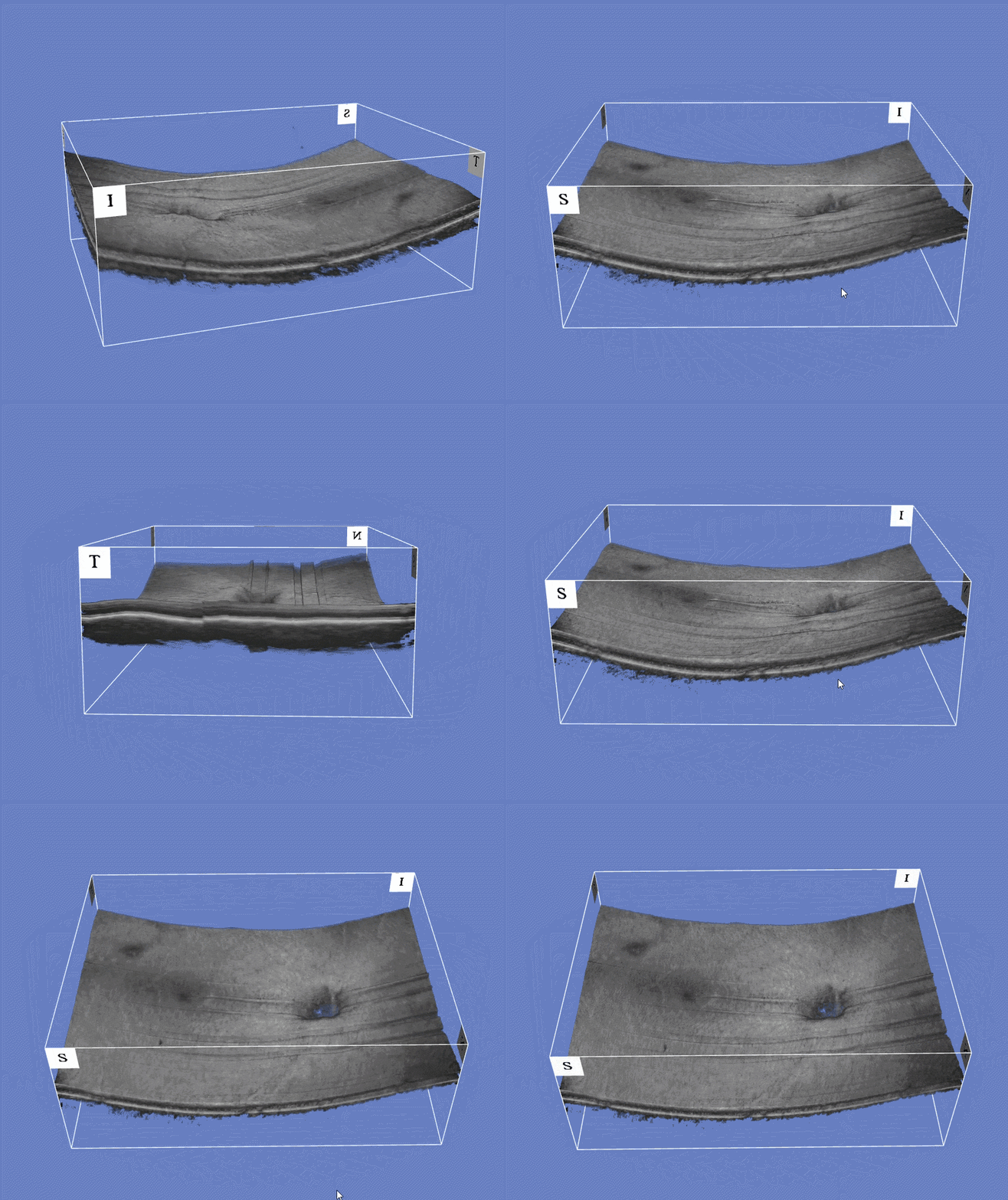 3D OCT scan
A cross-section through the layers of the retina, showing change long before it affects vision.
3D OCT scan
A cross-section through the layers of the retina, showing change long before it affects vision.
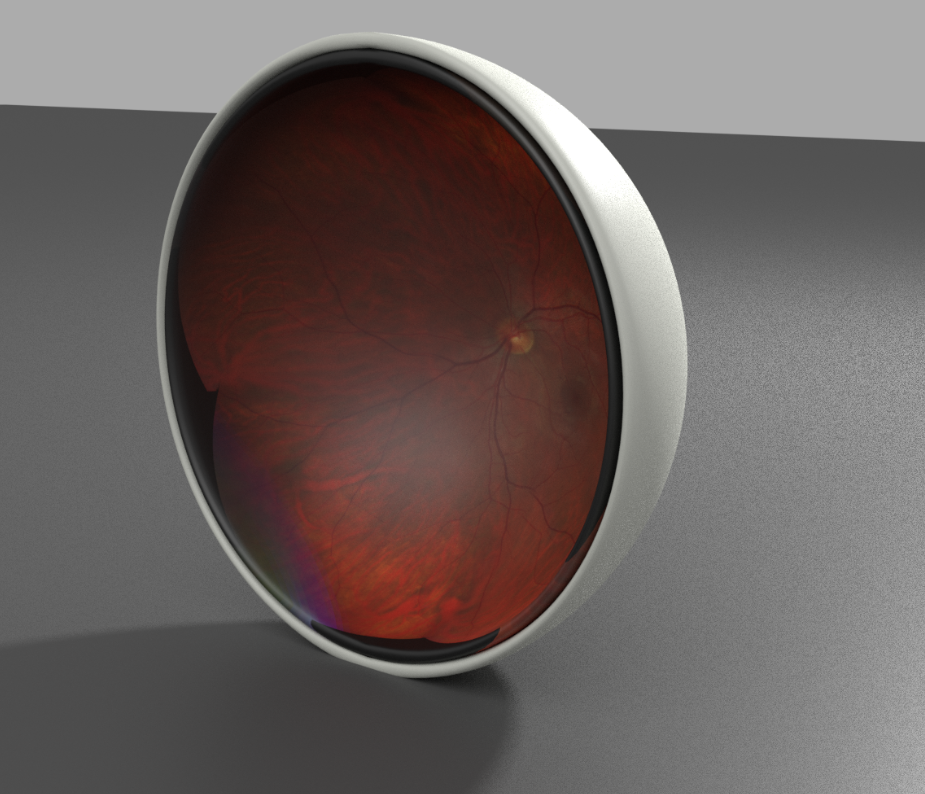 Ultra-wide retinal imaging
A wide photograph of the back of the eye, kept as a baseline to compare future visits against.
Ultra-wide retinal imaging
A wide photograph of the back of the eye, kept as a baseline to compare future visits against.
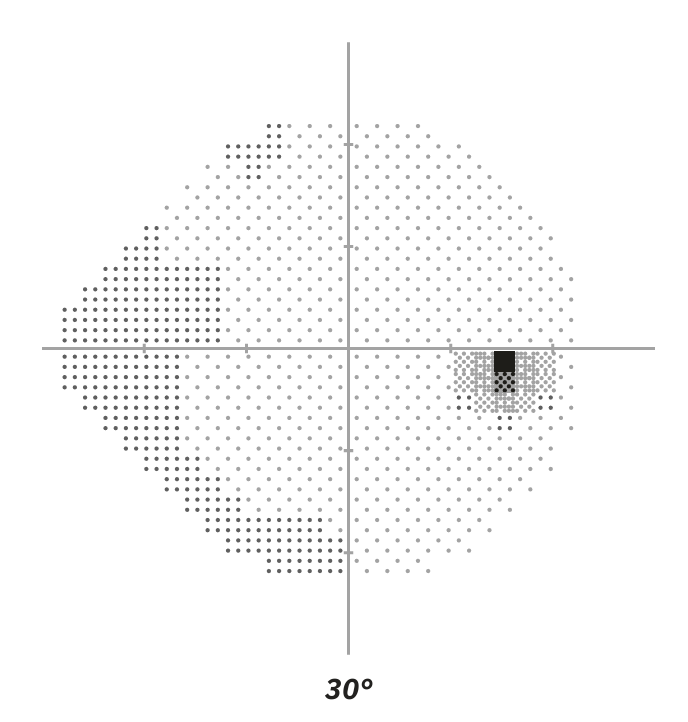 Visual field test
A VR headset maps your side vision, finding blind spots you would not notice on your own.
Visual field test
A VR headset maps your side vision, finding blind spots you would not notice on your own.
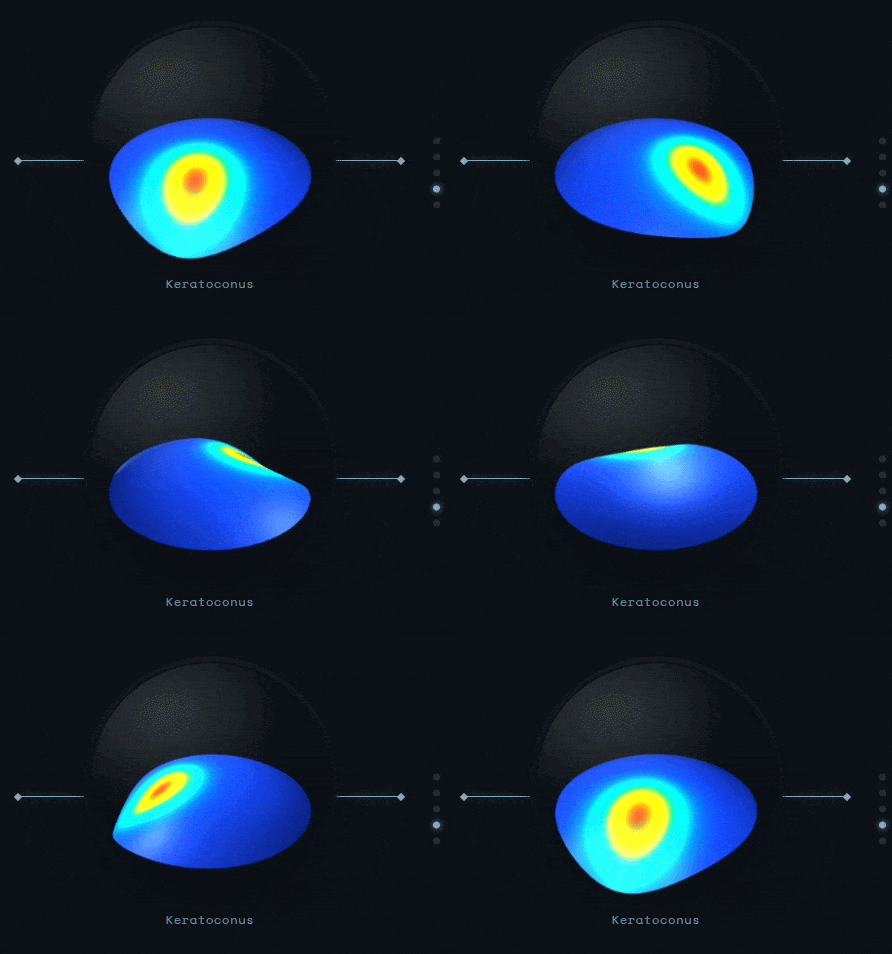 Corneal topography
A 3D map of the curvature of the cornea, used to fit lenses and to track its shape over time.
Corneal topography
A 3D map of the curvature of the cornea, used to fit lenses and to track its shape over time.
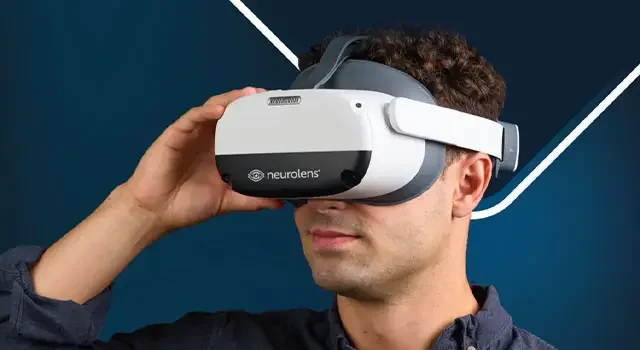 Binocular vision
How well your two eyes team up and track along a line of text — the misalignment behind strain, double vision and losing your place.
Binocular vision
How well your two eyes team up and track along a line of text — the misalignment behind strain, double vision and losing your place.
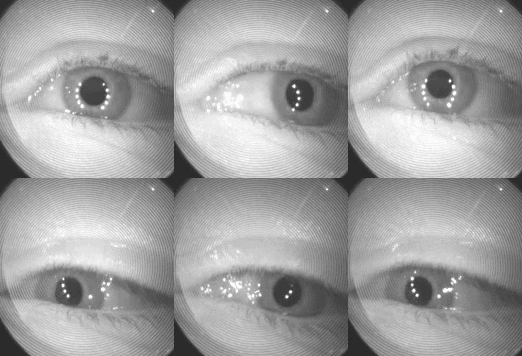 Eye movement imaging
Records how your eyes move through every direction of gaze, checking the muscles that aim them.
Eye movement imaging
Records how your eyes move through every direction of gaze, checking the muscles that aim them.
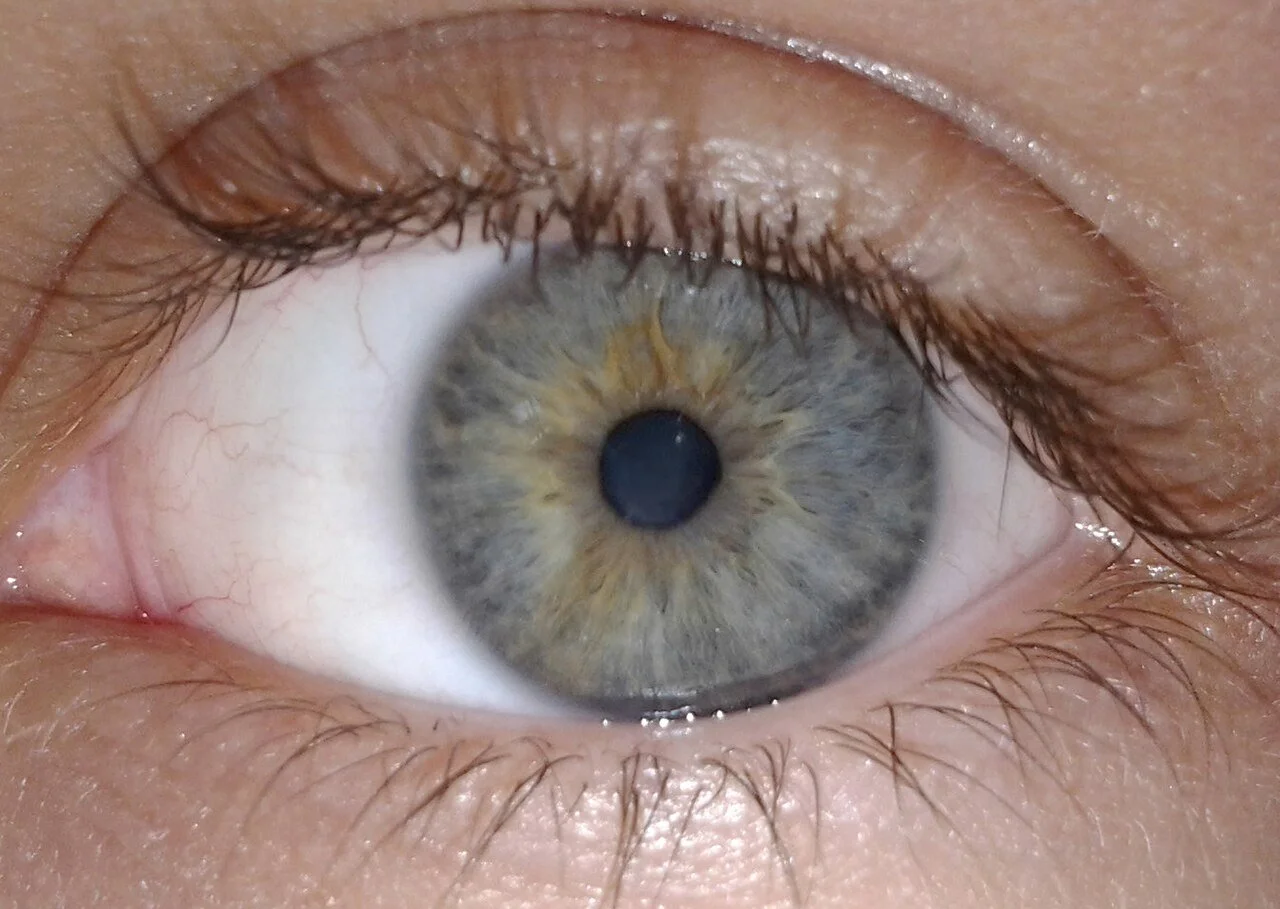 Anterior segment imaging
A magnified photograph of the cornea, iris and lens, documenting the front of the eye and any change in it.
Anterior segment imaging
A magnified photograph of the cornea, iris and lens, documenting the front of the eye and any change in it.
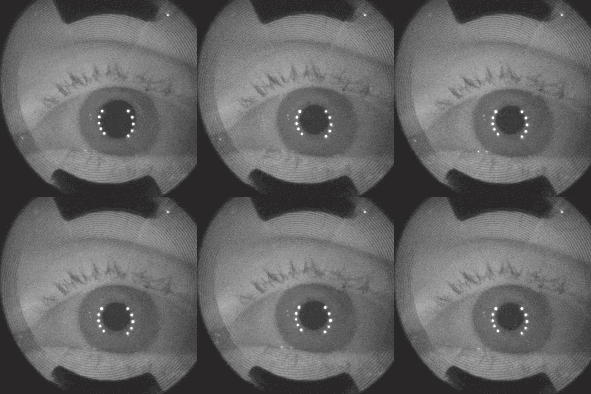 Pupil response tracking
Measures how each pupil reacts to light — a window on the nerve pathways behind the eye.
Pupil response tracking
Measures how each pupil reacts to light — a window on the nerve pathways behind the eye.
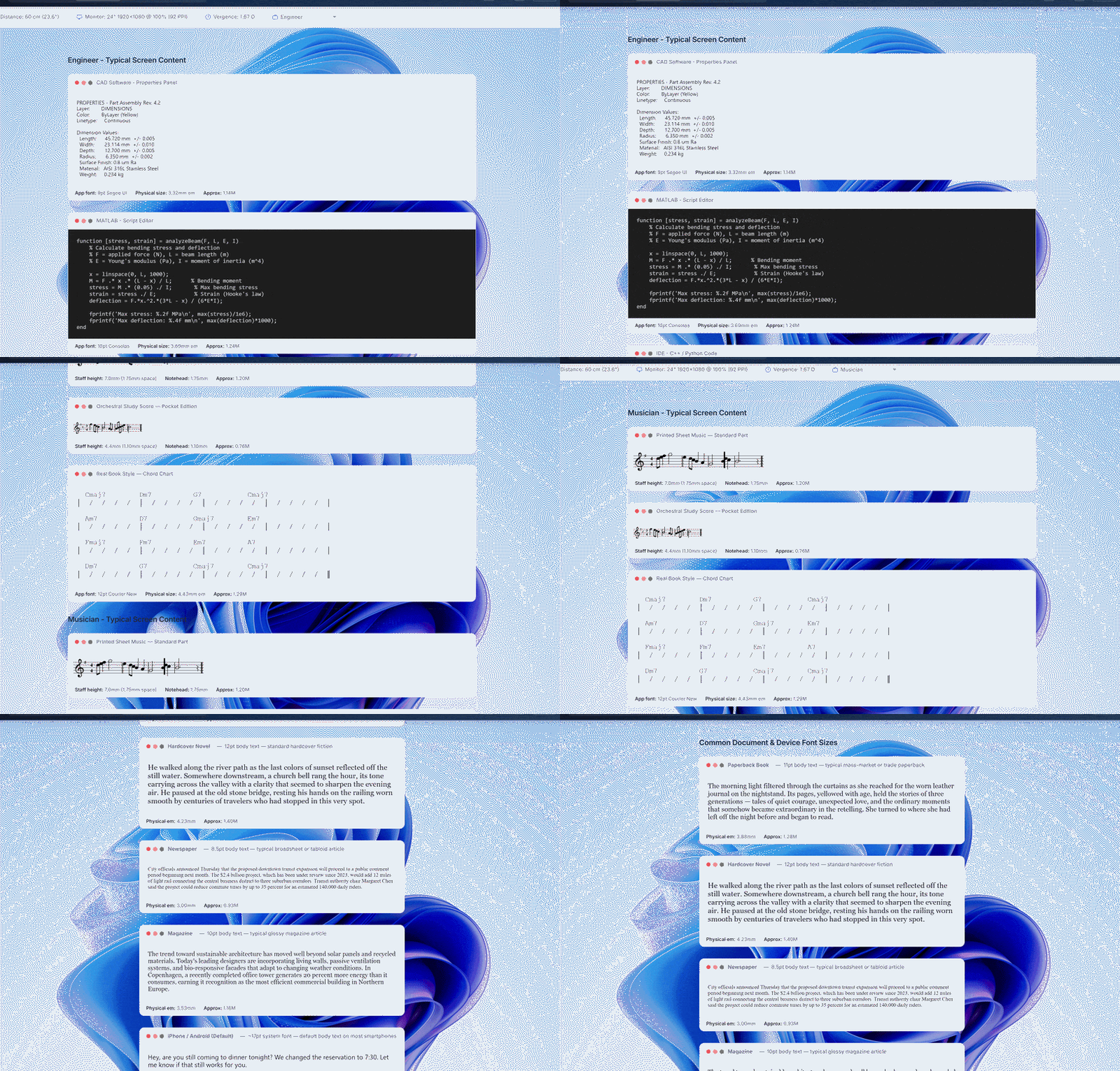 Screen vision
Your vision measured at real computer distances, on the targets you look at all day.
Screen vision
Your vision measured at real computer distances, on the targets you look at all day.
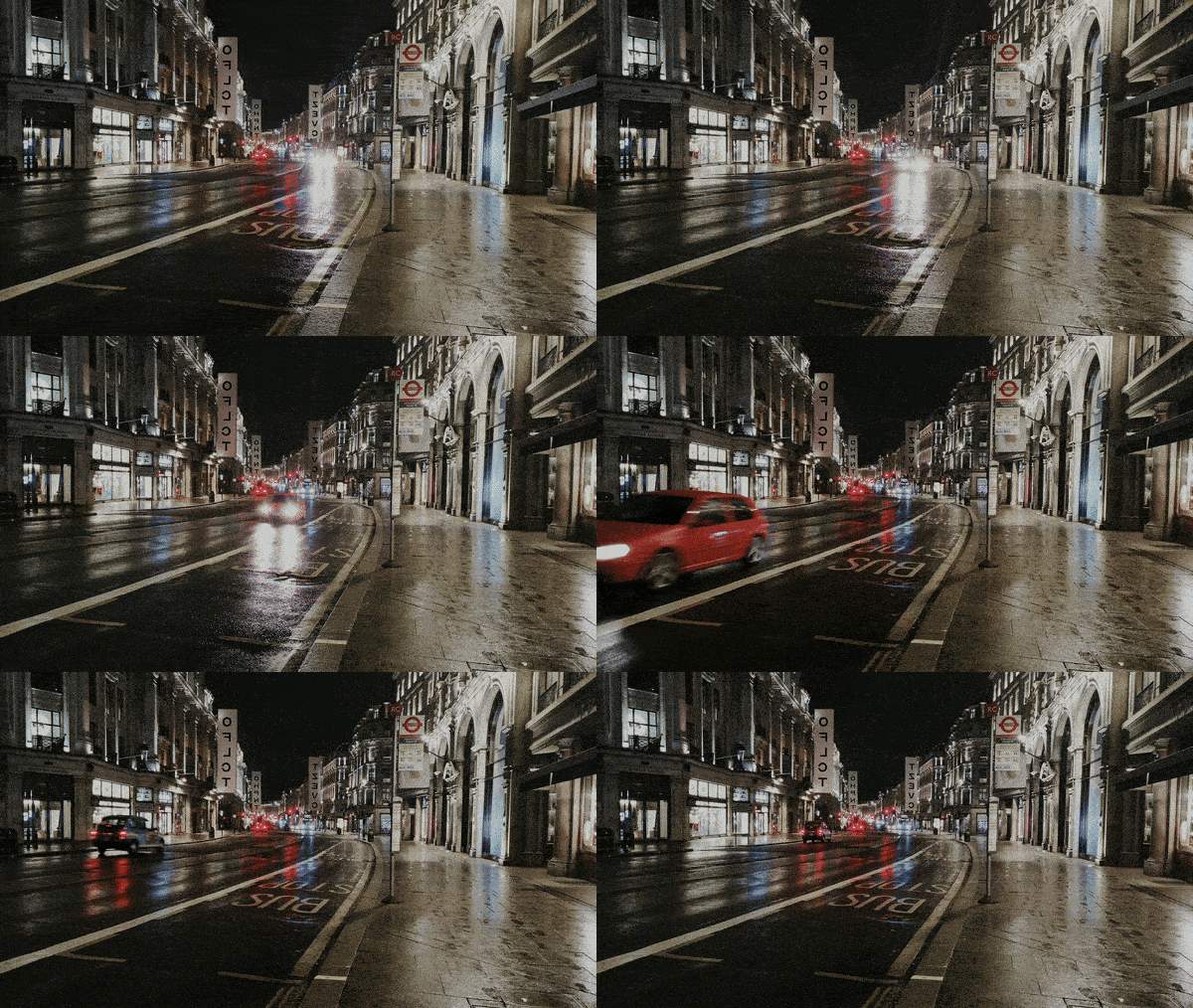 Situational vision
How your vision holds up in glare, low light, at distance and in sport.
Situational vision
How your vision holds up in glare, low light, at distance and in sport.
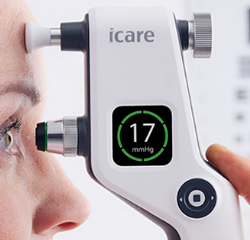 Eye pressure
The pressure inside the eye, measured in seconds. Raised pressure is the main risk factor for glaucoma.
Eye pressure
The pressure inside the eye, measured in seconds. Raised pressure is the main risk factor for glaucoma.
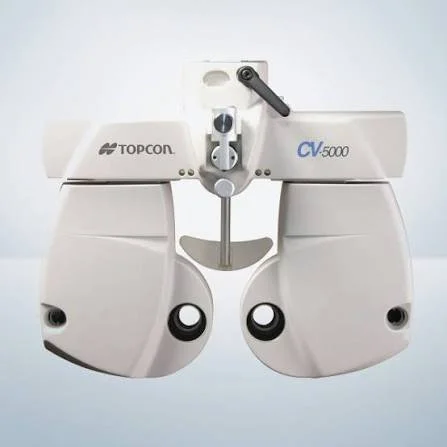 Prescription · digital phoropter
Lens powers are presented on a digital phoropter — switched instantly and repeatably rather than turned by hand, so small differences are easier to judge and the result is recorded exactly.
Prescription · digital phoropter
Lens powers are presented on a digital phoropter — switched instantly and repeatably rather than turned by hand, so small differences are easier to judge and the result is recorded exactly.
Hover any one for what it does. The full set of eighteen is below.
The eighteen tests fall into four areas. A test in one area cannot answer a question in another, which is why a full examination works across all four rather than settling one of them well.
A sight test and a complete examination answer different questions.
Both end with a prescription. What differs is how much of the eye was examined on the way there, and how much of it was recorded.
This is enough to answer whether your glasses need changing.
These tests find early glaucoma, retinal change, and ocular signs of diabetes and high blood pressure in patients who arrived with no symptoms.
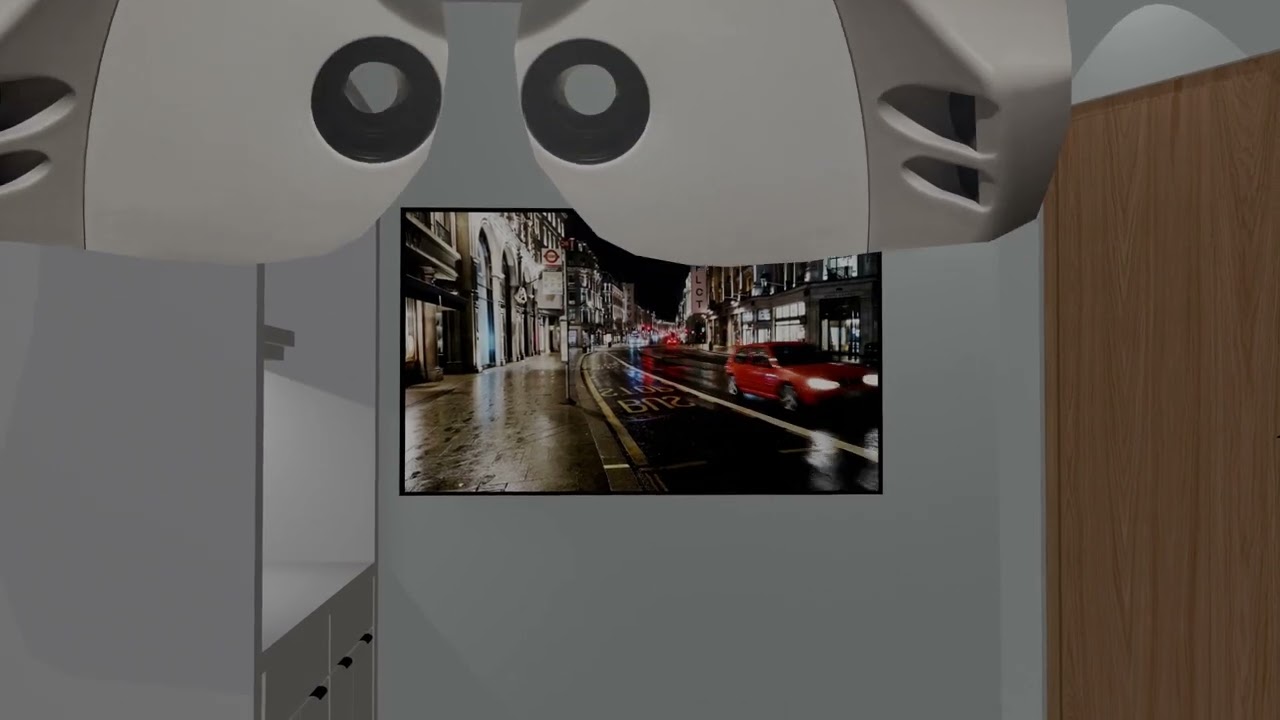
How our vision testing differs from a standard chart-and-lenses exam.
Drag to look around. Every instrument on the list above lives in this room.
Over 750,000 ocular scans and images have been taken at this clinic to date. A single scan shows the state of an eye on one day, and much of what it shows is within normal range for somebody. Set against your own scans from previous years, the same image answers a sharper question: has anything changed, and how fast. That comparison is how glaucoma, retinal change and macular disease are identified while they are still quiet, and it is why a patient we have followed for a decade is easier to read than a patient seen for the first time. Every image from your visit joins that record.
Then it was a shorter visit with fewer tests in it, and that is a real difference rather than a matter of pace. Reading a chart and refining a lens power can be done quickly. Scanning the retina, mapping the visual field, imaging eye movement and checking binocular alignment each take their own time, and each produces a record. The list above is what the extra time is spent on.
Not all of them, and not at every visit. The set depends on your age and on what we find as we go: a four-year-old's exam is a different list from a sixty-eight-year-old's, and some tests are performed only where they are clinically indicated. The calculator alongside this page shows which tests are included at your age, which are done only when needed, and which are not part of the visit at all.
A comprehensive exam is commonly eligible for extended-health vision benefits, while individual tests booked on their own often are not. We direct bill many insurers. Across our own insured adult exam claims over the past twelve months, the median amount left for the patient was $39, and 12% paid nothing. The calculator shows the whole spread.
Most of the eighteen tests cannot change a prescription. An OCT scan, a retinal photograph, an eye pressure reading, a visual field map and a pupil response measurement produce no lens power at all. They are records of the health of the eye, and several of them are the reason a patient gets referred to an ophthalmologist rather than sent to the dispensary.
Ready to book? Let's work out what you need and what it will cost.
Tell us what brings you in. We'll show the cost of that visit on its own, and whether it is already part of a complete vision and eye health examination.
A standard fitting is included with a comprehensive eye exam. A first visit to contacts needs a training session as well, and the $75 covers both. Scleral fittings are always separate.
A single test answers a single question. A comprehensive exam assesses the whole visual system alongside the health of the eye itself, so it can detect conditions a patient came in with no symptoms of: early glaucoma, retinal changes, and ocular signs of systemic conditions such as diabetes and high blood pressure. It also establishes a baseline to compare future visits against.
Or call 403-237-0505.
Prices shown are estimates. Alberta Health Care eligibility and third-party insurance coverage vary by patient and plan. Services booked separately may not qualify under standard eye-exam benefits. Which tests are appropriate for you is a clinical decision made at your visit.