Through Your Baby's Eyes: From Blur to 20/20
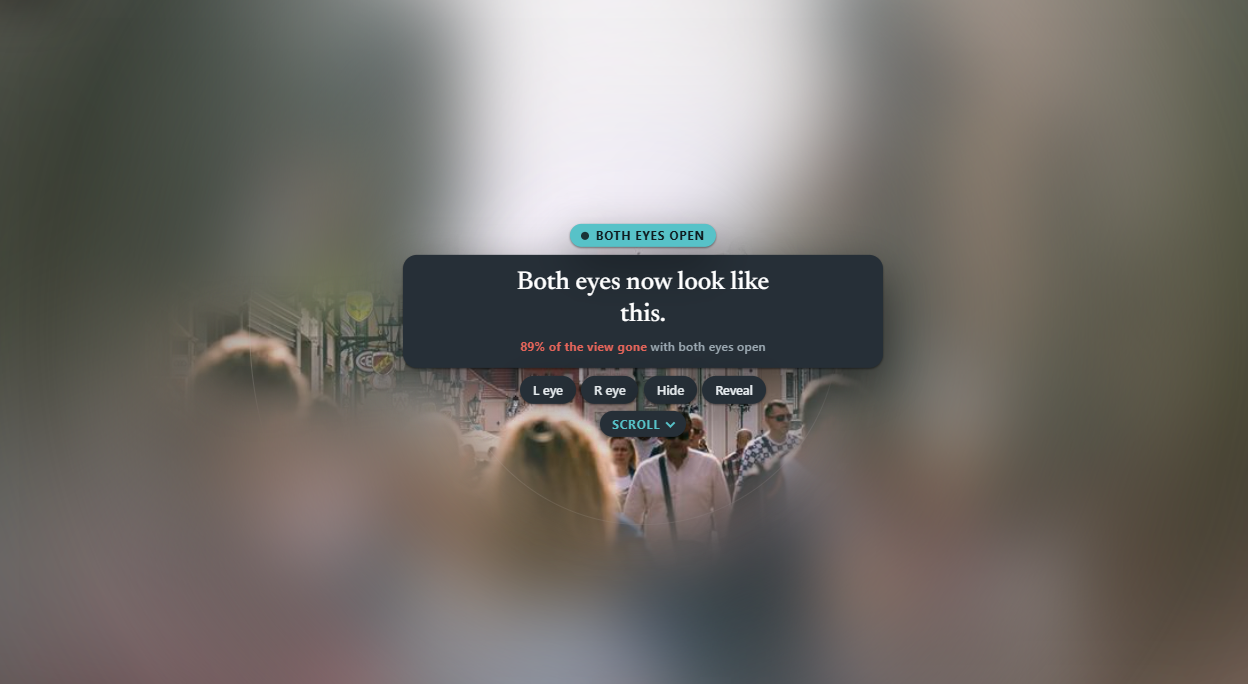
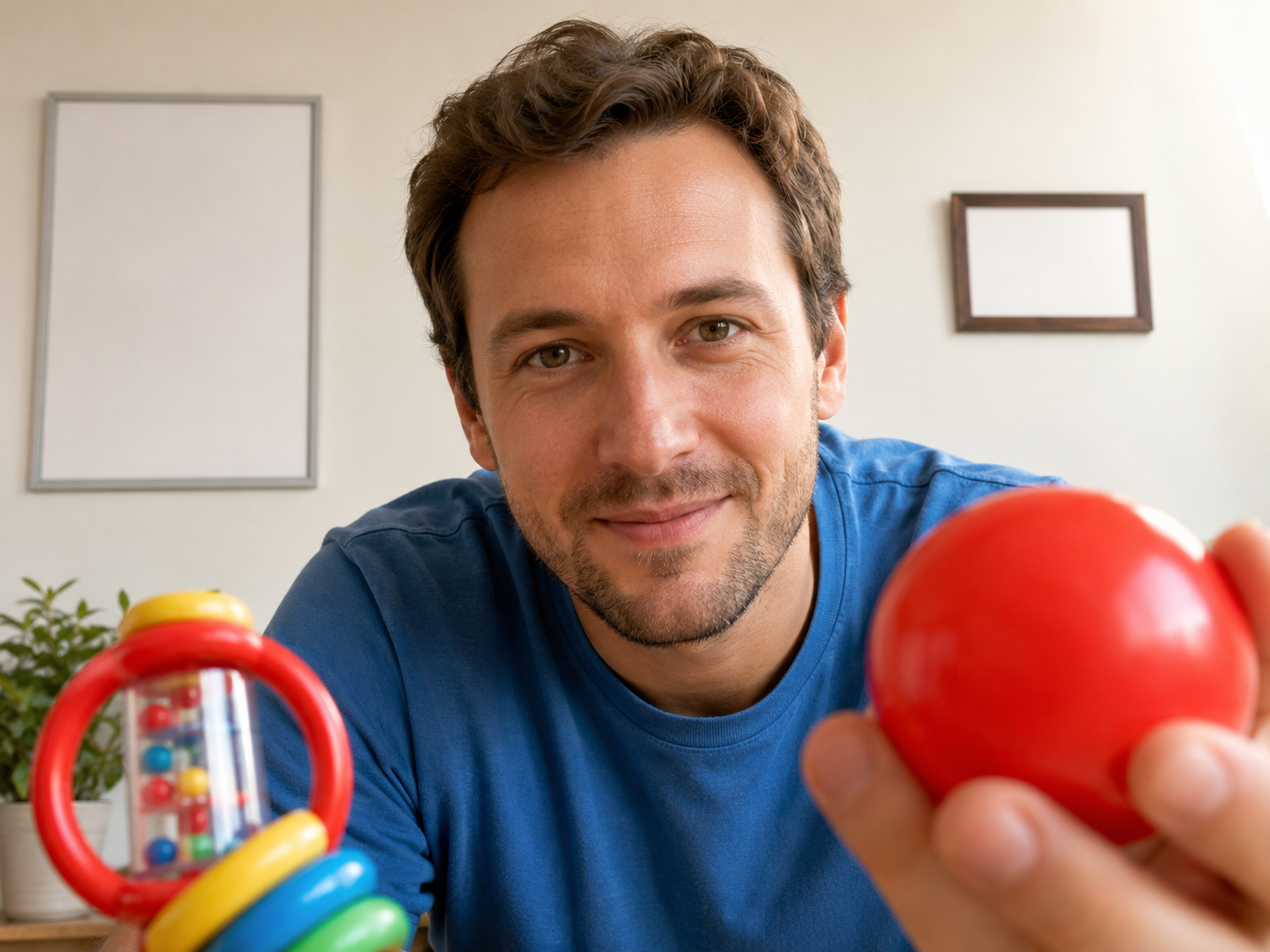
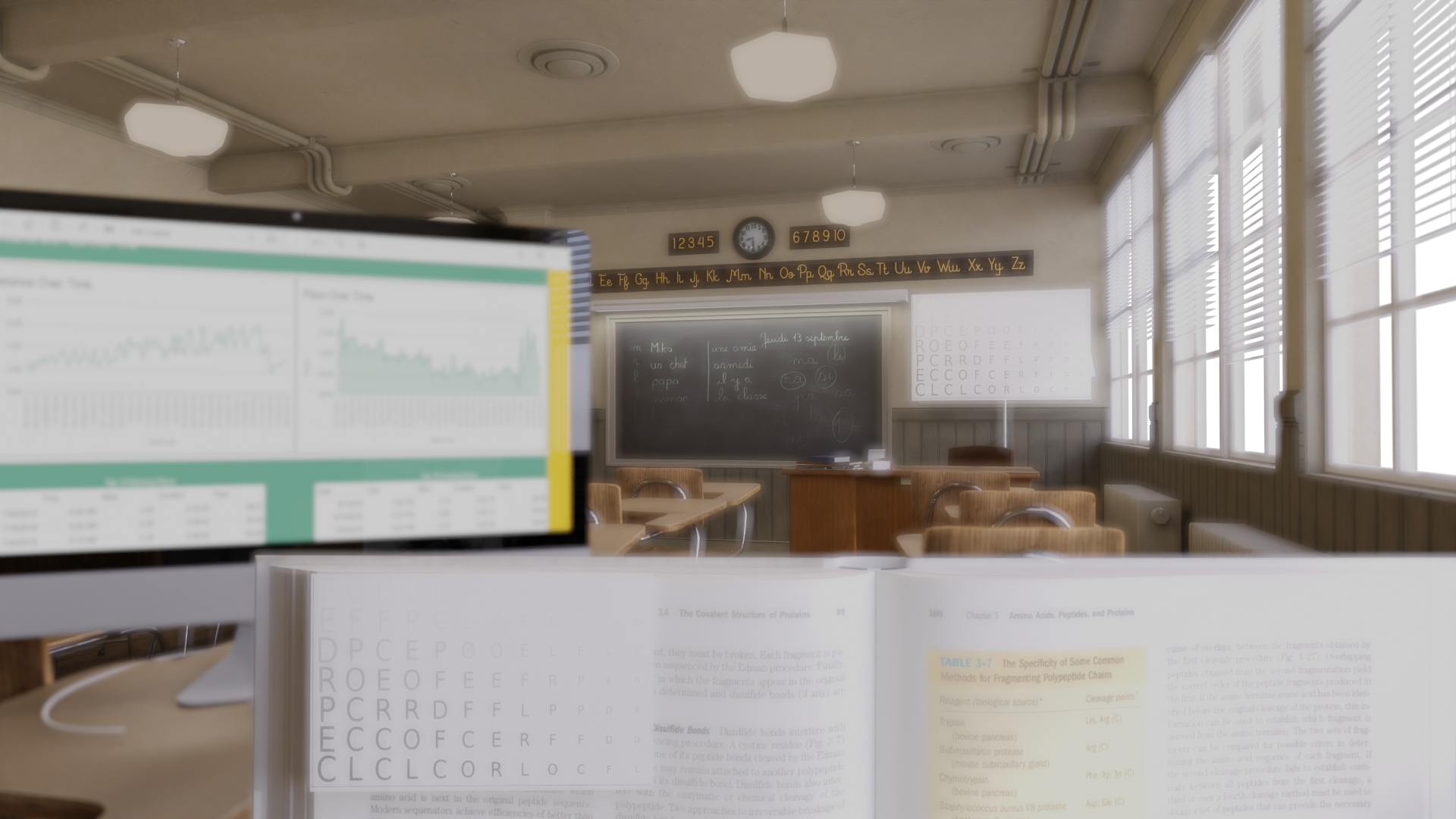
From the moment you first hold your baby, you're about 30 centimetres from their face — and that's no accident. It's roughly the only distance a newborn can see with any clarity, and what they see is far from the crisp, colourful picture you're looking at. Vision isn't something babies are born with so much as something they build, and it takes years: focus, colour, depth perception and fine detail each arrive on their own schedule, and each depends on the one before it. We made the interactive below to show you what that journey looks like from your child's side. Drag the slider from before birth to age six and watch the same scene — a parent's face, a toy, a letter chart on the wall — come into focus the way it does for your child.
What you just saw is a simplified but evidence-based model of how visual function develops. The blur tracks typical visual acuity measured by preferential-looking studies — roughly 20/400 at birth, 20/100 by six months, and adult-level 20/20 only around age five or six — while the washed-out colour reflects the immaturity of the retina's cone photoreceptors and their connections to the brain; red is usually the first colour an infant reliably distinguishes, around two months, with the full spectrum following by about five. The depth cue switches on between three and five months because that is when the brain begins fusing the two eyes' slightly different images into stereoscopic vision — a short developmental window that only opens if both eyes are aligned, clearly focused, and working together. That is the real reason paediatric eye care is time-sensitive: conditions such as a constant eye turn, a significant or unequal prescription, or a droopy eyelid cause no complaints from a baby, yet if they go unaddressed during these early windows they can lead to amblyopia ("lazy eye"), which becomes progressively harder to treat after about age seven. The Canadian Association of Optometrists recommends a first comprehensive eye exam between six and nine months, another between two and five years, and yearly exams once school starts; in Alberta, children's eye exams are covered by Alberta Health Care. None of this requires your child to know their letters — we measure infant vision with the same principles this simulation is built on. If anything in the slider made you wonder about your own child's eyes, that's a good enough reason to book.
Dr. Robert Burke is an optometrist at Calgary Vision Centre. The thoughts, opinions, and analogies shared above are intended for education and entertainment purposes only (think of them like a friendly explainer, not a personal consultation.) Every set of eyes is different, and the right testing protocol depends on your specific vision needs, health history, and lifestyle. So if you're experiencing symptoms or just have questions about your vision, don’t rely on internet content alone, talk to your optometrist or health care provider directly. We’re here to help, but nothing beats an in-person exam with someone who knows your eyes.